Most ETS sectors can reach very low residual emissions over the coming decades.
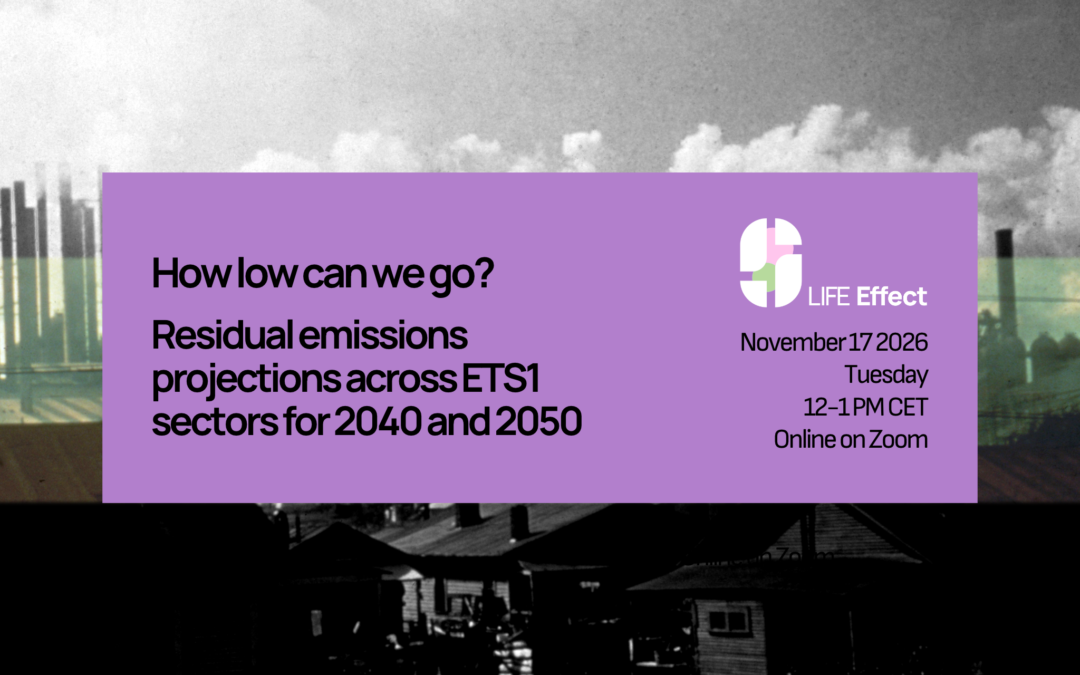
Event recap: How low can we go?
read more


Do you want the EU to pursue a fair and effective clean energy transition?
Most ETS sectors can reach very low residual emissions over the coming decades.
Öko-Institut’s sectoral experts showcase how far down ETS1 emissions could be driven by 2040 and 2050 across a high and a medium progress scenario.
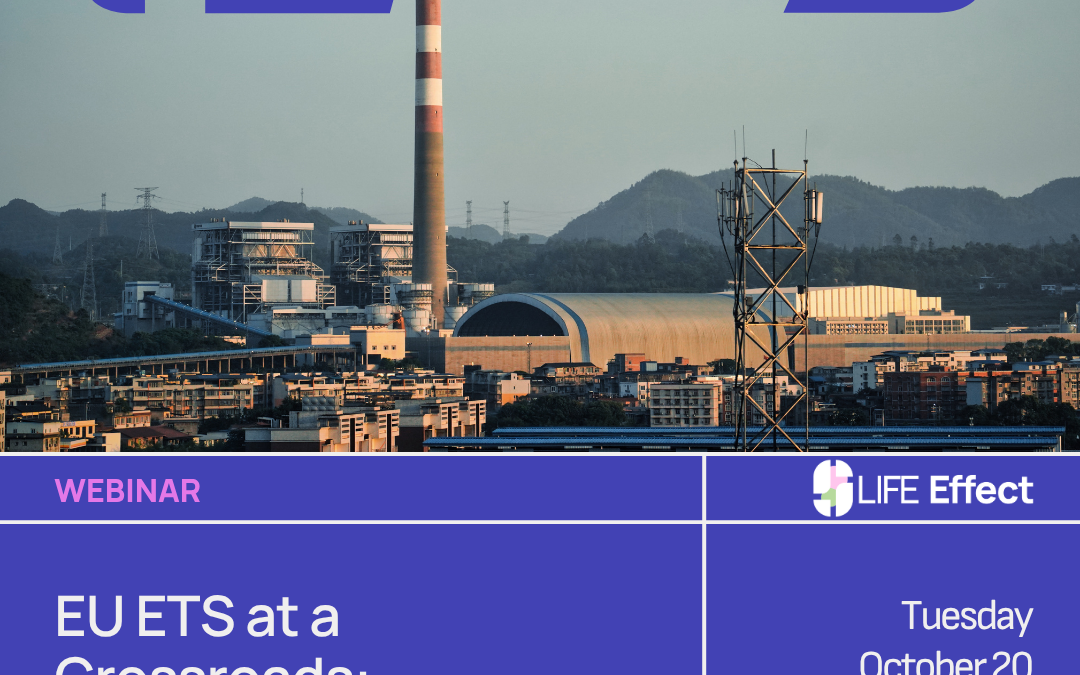
The EU Emissions Trading System, which makes companies pay for their CO₂ emissions, has cut emissions in the sectors it covers by about half in twenty years. But in 2025, progress nearly stopped. .
The EU Emissions Trading System (EU ETS) has been a cornerstone of Europe’s climate policy since 2005, contributing to a substantial reduction in greenhouse gas emissions. But after two decades of progress, the latest data raise important questions about whether...

In the framework of its Annual in-person and hybrid Climate working group the EEB is organising a "ETS2 experts network workshop" taking place on Tue 13th October 2026. In that context, besides updating ourselves on the latest around the ETS2 implementation, we will...

On 9 September 2026, the LIFE EFFECT project hosted its second Carbon Pricing Hub, a hybrid session entitled “Why the ETS Must Deliver for People.” The discussion focused on the social dimension of the EU Emissions Trading System (ETS), exploring how the upcoming ETS1...
